How to Optimize Your Therapy Website for AI Search Queries (2026 Guide)

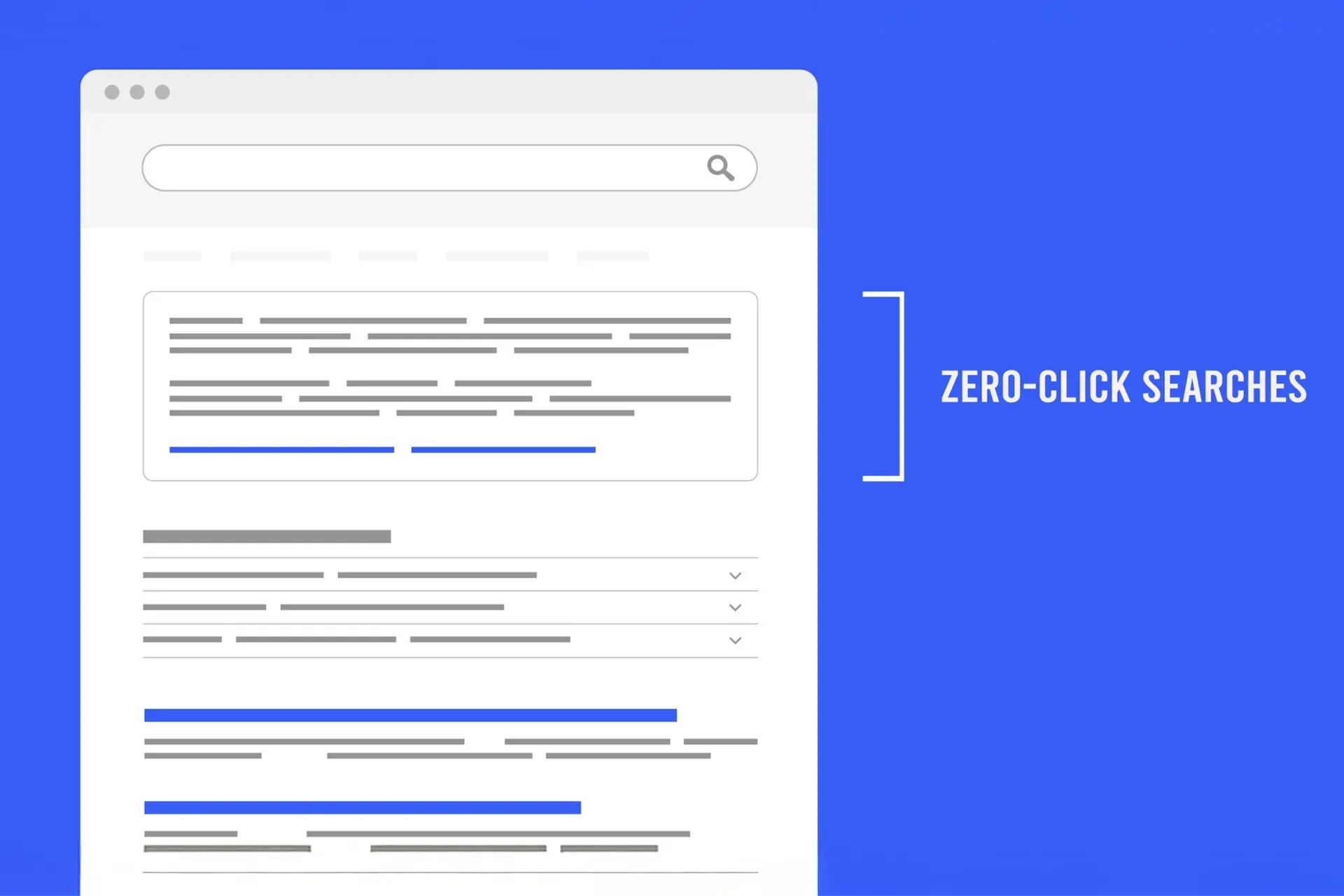
The way clients find therapists has shifted. People are no longer just typing "therapist near me" into Google. They are asking ChatGPT, Google's AI Overviews, Gemini, and Perplexity full questions like "Who is the best anxiety therapist in San Diego?" The engine then pulls an answer together from across the web and names specific practices. If your therapy website isn't built for that, you are invisible to a whole wave of people looking for exactly what you offer.
What is AI Search Optimization for Local Therapy Practices?
AI search optimization for local therapy practices, sometimes called Generative Engine Optimization (GEO) or Answer Engine Optimization (AEO), is the work of structuring your website so that tools like Google AI Overviews, ChatGPT, and Perplexity can find it, understand it, and recommend you when someone in your area asks for a therapist. Traditional SEO was about ranking in a list of blue links. AI search collapses many sources into a single narrative answer, and your goal is to be one of the sources it quotes.
For mental health professionals, that difference carries real weight. A client searching for a therapist in 2026 may never scroll past the AI-generated response at the top of the page. If your practice isn't surfaced in that answer, you effectively don't exist to that person. We walk through the mechanics of this shift in our guide to Generative Engine Optimization for private practices.
| What changes | Traditional SEO | AI Search (GEO / AEO) |
|---|---|---|
| The goal | Rank somewhere in the list of links | Become the source the engine quotes |
| What the client sees | Ten blue links to compare | One written answer |
| What earns the spot | Keywords and backlinks | Clear answers and visible trust signals |
| How the client behaves | Scrolls, clicks, compares a few | Reads the answer at the top, often stops there |
Why Do AI Search Engines Recommend Some Therapists Over Others?
The single biggest factor these engines weigh when deciding which therapists to recommend is E-E-A-T: Experience, Expertise, Authoritativeness, and Trustworthiness. Google classifies mental health content as "Your Money or Your Life" (YMYL), material that directly affects someone's wellbeing, and holds it to an unusually high standard of credibility.
Here is what signals your E-E-A-T to an AI system:
- Credentials shown clearly. Your licenses (LCSW, MFT, PhD, PsyD), years of experience, and clinical specialties should be visible on your homepage and About page, not buried three clicks deep.
- Author bios on every blog post. The engine needs to know who wrote something, not just what it says.
- Citations on clinical claims. When you reference a statistic, anxiety prevalence rates, treatment outcomes, link to the primary source such as the APA or NIMH.
- Consistent name, address, and phone. Your details have to match across your website, Google Business Profile, and directories like Psychology Today and TherapyDen.
- Third-party mentions and listings. Models cross-reference directory profiles to confirm you are a real, established practice.
These are the same trust signals you would offer a referring colleague. The engine is just reading them at scale.
What Content Helps Therapy Practices Rank in AI Search Results?
Not all content carries equal weight here. The pages that get cited are the ones that answer specific, conversational questions directly and completely. Google's own AI optimization guidance puts the priority this way: "non-commodity content that's helpful, reliable, and people-first," expert-led material that goes beyond what is already common knowledge.
For a therapy practice, that translates into a concrete approach:
- Write headers as questions. Phrase your H2 and H3 headings the way clients actually ask: "What happens in a first therapy session?" or "How long does EMDR take?"
- Lead with a direct summary. Models often lift the first one to three sentences of a section as a quote. Give them something clean and quotable at the top of each one.
- Build topic clusters. Instead of isolated posts, group your content around core clinical themes (anxiety, trauma, couples work) and connect them with internal links.
- Skip the generic summaries. The engine already knows what CBT is from Wikipedia. Add your clinical perspective, anonymized case patterns, and first-hand treatment insight so your page is the one worth quoting.
- Target long-tail, conversational queries. Questions like "how do I know if I need a trauma therapist?" or "what's the difference between a psychologist and a licensed counselor?" mirror how people actually talk to AI.
This is the same thinking behind why search volume is the wrong metric for therapist SEO. Specificity wins.
Step-by-Step: Optimizing Your Therapy Website for AI
1. Structure Your Pages for Clarity
Before any of these steps matter, your site has to be readable by AI crawlers at all, a hurdle many therapy websites fail without knowing it. We cover the technical side, bot traps and JavaScript barriers that hide your pages from the engine, in our Generative Engine Optimization guide. Assuming the engine can reach you, structure is what it reads next.
An AI engine reads your page the way a researcher skims a document. It looks for clear headers, short paragraphs, and a logical order. Your homepage and service pages should state plainly who you serve, what modalities you offer, and where you are licensed. Use everyday language over clinical jargon, and keep paragraphs to four or five sentences.
A simple, high-impact page structure looks like this:
- H1: provider type plus location (for example, "Trauma Therapist in San Diego, CA")
- H2 sections: phrased as the questions clients ask
- Credentials and bio: visible above the fold
- Scheduling CTA: a direct link to intake or booking
2. Implement Schema Markup
Schema markup is structured data added to your site that tells engines, in their own language, what your practice does, who you are, and where you are located. For behavioral health sites, the schema types that matter most are:
- LocalBusiness / MedicalBusiness for your practice name, address, hours, and phone
- Person for your credentials, specialty, and professional identity
- FAQPage for the question-and-answer sections engines pull into responses
- PsychologicalTreatment, a Schema.org type built specifically for counseling and therapy services
Clean schema tells an engine exactly who you are and what you do, which gives your pages a better chance of showing up in the richer, more detailed results. Use JSON-LD, which is Google's preferred format, and validate it with the Rich Results Test. We walk through the full setup in our local SEO and schema guide for therapists.
3. Optimize Your Google Business Profile
Your Google Business Profile is one of the strongest trust signals an AI system has when it evaluates a local therapy practice. When someone asks ChatGPT or Google to "find me a therapist near me," the engine cross-references your profile to confirm you are legitimate.
The optimizations that matter most:
- Fill out every section: services, specialties, accepted insurance, languages spoken.
- Add recent photos of the office exterior and waiting area, never client spaces.
- Collect and respond to Google reviews, which remain a key trust signal.
- Post regular updates so the profile reads as an active, maintained practice.
- Make sure your address, phone, and website URL match your site exactly.
Our full Google Business Profile guide for therapists covers the HIPAA-safe way to handle reviews and posts.
4. Niche Down and Own One Geographic Area
The more specific your expertise looks, the more confidently an engine will cite you. A "I treat everything" page is far less likely to surface than a page from a therapist who clearly owns a niche, something like "EMDR for first responders in San Diego." The same goes for location. Emphasizing one geographic area on your homepage, rather than vaguely serving a wide region, makes it easier for an engine to recommend you for local searches.
This matters most for solo practitioners and small group practices competing against directories. Psychology Today has domain authority you can't outrank head-on. Your edge is specificity and a genuine clinical voice.
5. Build Citations Across Therapist Directories
Engines don't rely on your website alone. They triangulate what they know about you from across the web, so consistent listings on the major mental health directories strengthen the engine's confidence that your practice exists and is credible:
- Psychology Today
- TherapyDen
- Alma
- Headway
- Zocdoc
- SAMHSA's Treatment Locator
Keep your name, credentials, address, phone, and specialty identical on every platform. Even small inconsistencies, a suite number formatted two ways, a credential abbreviated differently, can muddy the engine's read on who you are. If you want to stop depending on those directories for referrals altogether, that is the longer game we cover in building a client pipeline you control.
What Not to Do in 2026
Google has been explicit about the shortcuts it ignores. In its AI optimization guidance, it tells site owners to skip "AEO/GEO hacks" entirely: artificially chunking content, generating unnecessary AI text files like llms.txt (a file some tools produce to instruct AI crawlers, which Google says it ignores), and chasing inauthentic mentions. The foundation of AI visibility is what it has always been, a site that genuinely helps people, written by a real expert, backed by real credentials.
The bigger mistake therapists make is handing their entire website voice to a generic AI writing tool. What comes back lacks clinical depth, personal perspective, and the kind of nuanced empathy that marks a real practitioner. The irony is that the engines reading your page are getting good at spotting exactly that absence. We dug into where the line sits in our piece on what Google really says about AI-generated mental health content.
The Bottom Line for Therapy Practices
AI search isn't a trend on the horizon. It is how clients find mental health support right now. The practices that win are the ones investing in genuine E-E-A-T, structured content, schema markup, and a fully optimized Google Business Profile. Treat those four as one system. Together they tell an engine the same thing: this practice is real, credible, and the right answer for this client's question.
If you would rather have a team handle this for your practice, our AI search optimization service for therapists is built specifically for mental health professionals working through this shift. Contact us and we will show you where your practice stands today.
Sources
- Google. (2026). AI Features and Your Website. Google Search Central. https://developers.google.com/search/docs/fundamentals/ai-optimization-guide
- Google. (2026). A new resource for optimizing for generative AI in Google Search. Google Search Central Blog. https://developers.google.com/search/blog/2026/05/a-new-resource-for-optimizing
- Schema.org. PsychologicalTreatment. https://schema.org/PsychologicalTreatment
- American Psychological Association. https://www.apa.org
- National Institute of Mental Health. https://www.nimh.nih.gov