Expert Digital Marketing for Therapists & Mental Health Pros


Why It's Essential for Growing Your Practice
As a therapist, you've likely built a career on connection. Understanding, empathy, and the ability to help people navigate their mental health journeys. But how do you ensure that people can find your practice in the first place?
In 2026, the discovery journey has fundamentally changed. Potential clients now find therapists through a TikTok video explaining attachment styles, an Instagram Reel about anxiety management techniques, or an AI-generated search summary. Only after these initial touchpoints do they visit your website or search Google directly.
Digital marketing for therapists isn't optional anymore. It's the bridge between your expertise and the clients who need your help. Whether you're new to digital marketing or looking to optimize your existing efforts, this guide will explore how content marketing, short-form video, SEO, and email marketing can elevate your practice's visibility and client engagement in today's rapidly evolving landscape.
The Power of Content Marketing for Therapists
Imagine you're a potential client looking for therapy services. You stumble across a blog titled "5 Ways to Manage Anxiety," packed with actionable advice. What's your next step? You're likely to trust the therapist behind the content, feeling that they understand your struggles.
Content marketing works because it builds trust and educates clients before they ever set foot in your office.
Content marketing for therapists isn't just about writing blogs. It can include:
- Videos
- Podcasts
- Social media posts
- Informative e-books
The goal is to position yourself as an authority in the mental health space. Sharing valuable insights, resources, and expert advice helps potential clients feel connected to your practice before they even make that first call. However, consistency is key. Without regular updates, your online presence can quickly fall flat.
Many therapists find themselves overwhelmed by the constant demand for fresh content across multiple platforms. That's why we've developed a sustainable content strategy specifically for therapists that shows you how to create once and connect often, turning a single piece of cornerstone content into weeks of strategic marketing materials.
Content that addresses common mental health issues can help demystify therapy, making it more approachable. If your website provides answers to people's concerns, they'll feel more confident seeking help. Blogs, especially when optimized for SEO, serve as a bridge between you and those actively searching for therapy services online. If you're looking for specific topics that resonate with potential clients, our guide on 30+ proven blog content ideas for therapists provides actionable topic suggestions backed by mental health data.
Short-Form Video: Where Discovery Happens Now
By 2026, short-form video has become the primary discovery channel for mental health services. Your potential clients scroll TikTok, Instagram Reels, and YouTube Shorts looking for answers, and educational videos about attachment styles or anxiety coping mechanisms are often their first touchpoint with your practice. Therapists like Dr. Justin Puder (1M+ TikTok followers) and Nedra Glover Tawwab (1.8M Instagram) have built substantial practices through consistent, authentic video content.
A 60-second video explaining the difference between anxiety and panic attacks can resonate more deeply than a thousand-word blog post. When viewers feel understood through your content, they actively seek out your practice.
You don't need expensive equipment or professional editing. Your smartphone and authentic expertise are enough. Share practical coping strategies, explain common mental health concepts in plain language, or answer frequently asked questions from your practice.
What works in 2026:
- Educational mini-lessons: Break down complex concepts into digestible 60-90 second videos
- Myth-busting content: Address common misconceptions about therapy or mental health
- Day-in-the-life transparency: Show what therapy sessions look like (maintaining confidentiality)
- Response videos: Answer questions from comments to build community
The algorithms favor consistency over perfection. Three videos per week will outperform one highly polished video per month. Short-form video also feeds your other marketing channels through our sustainable content strategy approach.
SEO: Get Found Where It Matters Most
It's one thing to have a well-designed website, but it's another to ensure it's discoverable by the right people. Digital marketing for therapists hinges on effective SEO practices. SEO is the practice of making your website more appealing to search engines like Google. If done correctly, SEO increases the chances of your practice appearing at the top of search results when someone types in keywords like "therapist near me" or "counseling for anxiety in add location."
A technical foundation is essential here. Websites built on modern architectures (like our Aurora template) give you a significant head start with search engines.
There are three key parts of SEO that every therapist should focus on:
- On-page SEO: Includes optimizing content directly on your website by incorporating relevant keywords (like "anxiety treatment" or "cognitive behavioral therapy") and ensuring the content is easy to read.
- Off-page SEO: Involves getting reputable websites to link back to your content, which signals to Google that your site is trustworthy.
- E-E-A-T Standards: Google's quality guidelines for mental health content.
Meeting E-E-A-T Standards for Mental Health Content
In 2026, Google prioritizes Experience, Expertise, Authoritativeness, and Trustworthiness for all health-related content. Mental health content falls under "Your Money or Your Life" (YMYL) categories, meaning search engines scrutinize it more carefully than standard business content.
What this means for your practice website:
Display your credentials prominently. Every blog post should clearly show your license type (LMFT, LCSW, PhD, PsyD), license number, and years of experience. This isn't bragging. It's meeting the standards search engines require to trust your content.
Cite reputable sources. When you reference research, link to peer-reviewed studies or professional organizations. Google's algorithms can detect unsupported claims. Our guide on AI-generated content and Google's E-E-A-T guidelines explores maintaining these standards while using AI tools.
Include author bylines and bios. Every piece of content should attribute to a specific professional with verifiable credentials. Generic authorship doesn't meet E-E-A-T standards for mental health content.
Meeting these standards does more than improve rankings. It builds genuine trust with potential clients researching your expertise before reaching out.
Voice Search Optimization for Natural Queries
Voice search has fundamentally changed how people find therapists. Instead of typing "CBT therapist Chicago," people ask their devices, "Can you find me a cognitive behavioral therapist who specializes in panic attacks near me?"
Your website needs to answer questions the way people actually speak them, not just match keyword strings.
Add comprehensive FAQ sections. Structure them using natural language like "What should I expect in my first therapy session?" or "Does insurance cover couples counseling in your city?" Each answer should be complete but concise (150-200 words). Voice assistants pull these answers directly for spoken responses.
Write conversationally. Blog posts that sound like you're explaining concepts to a friend perform better in voice search than formal, academic writing. This means prioritizing clarity and natural language flow.
Target long-tail keywords. Instead of optimizing for "depression therapist," optimize for "therapist who specializes in postpartum depression for new mothers." These longer phrases match how people speak their searches aloud.
AI Overviews and Domain Authority
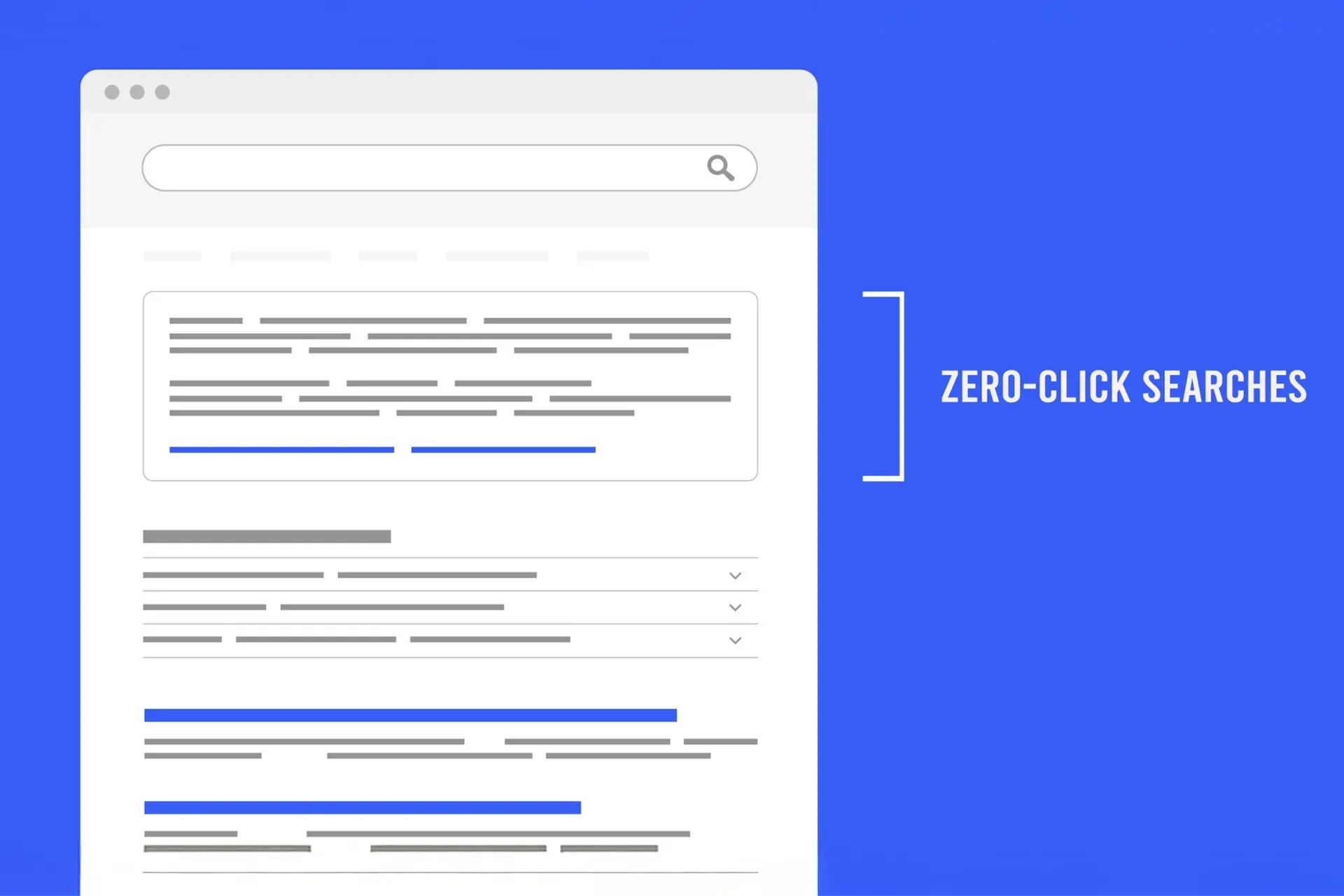
By 2026, 38% of mental health related queries trigger Google's AI Overview feature. These AI-generated summaries appear above traditional search results, synthesizing information from multiple sources to answer queries directly.
Important context for 2026: In early January, Google temporarily removed AI Overviews for certain health queries after concerns about accuracy emerged. While mental health searches continue to show AI Overviews, this development underscores why meeting E-E-A-T standards is more critical than ever. Google is refining which health topics receive AI summaries, prioritizing queries where authoritative, evidence-based content exists. This makes your domain authority and content quality even more important for appearing in the AI Overviews that remain active.
The critical factor for appearing in AI Overviews is domain authority. Google's AI prioritizes content from websites it considers trustworthy and authoritative in the mental health field. Our comprehensive guide on how to appear in Google's AI Overview provides detailed strategies for capturing these valuable "position zero" placements.
How to increase your citations in AI Overviews:
Higher domain authority comes from consistent publishing of high-quality, E-E-A-T-compliant content. Every well-researched blog post, credentialed author byline, and citation of peer-reviewed research adds to your site's authority signals.
Backlinks from reputable mental health organizations or professional associations carry significant weight. Technical SEO fundamentals (fast page load speeds, mobile optimization, clean site architecture) help search engines crawl your content efficiently. This is why we built the Aurora template with these technical foundations already in place.
Why should therapists care about all of this? SEO helps you reach potential clients who are already searching for mental health services. By ranking higher on search engines and appearing in AI Overviews, your practice becomes more visible. And the best part is, organic traffic (people who find your website organically through search engines) are often more engaged and ready to take action than those who come through paid advertisements.
Email Marketing for Therapists: Staying Connected to Your Audience
Email marketing is one of the most cost-effective ways to stay top-of-mind with your clients. Therapists who invest in email campaigns see higher engagement from both current and potential clients. Regular newsletters, appointment reminders, and personalized follow-ups can significantly improve retention and foster deeper relationships with clients.
For example, you could send:
- Monthly newsletters offering mental health tips
- Practice updates
- Simple check-ins
This keeps clients engaged with your brand, even if they aren't in need of immediate services. It also allows you to share content from your blog, pushing more traffic to your website and keeping your practice relevant in the minds of your audience.
Additionally, email marketing is a great way to nurture leads. Let's say someone visits your website but isn't quite ready to schedule an appointment. If you offer a downloadable guide on stress management in exchange for their email, you now have a direct line of communication. Over time, with strategic, value-packed emails, that lead may convert into a client.
HIPAA Compliance for Email Marketing
Email marketing for therapists comes with unique compliance requirements under HIPAA. Understanding what you can and cannot do protects both your practice and your clients' privacy. For a comprehensive deep-dive into email marketing strategies specifically designed for mental health professionals, including proven performance benchmarks, we've created a dedicated guide.
What constitutes Protected Health Information (PHI):
PHI includes any information that identifies a client and relates to their health condition, treatment, or payment. You cannot send emails containing specific diagnoses, treatment details, appointment notes, or anything that reveals someone is your client.
General mental health tips, practice updates, or educational content don't qualify as PHI. A newsletter about "5 Strategies for Managing Holiday Stress" can go to your entire list without authorization.
Required authorizations and safeguards:
Before sending any emails containing PHI, you must obtain written authorization from the client specifying what information you'll send, how often, and for what purpose. All email systems handling PHI must use end-to-end encryption. Standard Gmail or Outlook accounts don't meet this requirement.
Any email marketing platform you use must sign a Business Associate Agreement (BAA). This legal contract ensures the vendor will protect PHI according to HIPAA standards. Major platforms like Mailchimp, Constant Contact, and ConvertKit offer BAAs, but you must request and execute them.
The safest approach:
Segment your email lists. Keep educational content and practice updates separate from any client-specific communications. Use HIPAA-compliant systems with BAAs for anything touching current client relationships, and reserve standard marketing platforms for general audience outreach.
When in doubt, consult with a healthcare attorney familiar with HIPAA regulations. Protecting your clients' privacy isn't just legally required. It's fundamental to the therapeutic relationship.
AI-Powered Tools for Smarter Marketing
Artificial intelligence has transformed how therapists can approach marketing without sacrificing time for client care. In 2025, 56% of psychologists reported using AI tools to assist with their work, double the 29% from 2024. In 2026, AI tools help with the strategic and research-heavy parts of marketing while preserving the human warmth that makes mental health content effective.
Keyword research and content planning:
AI tools can analyze search trends, identify high-value keywords, and suggest content topics that align with both search demand and E-E-A-T standards. Instead of manually researching what your potential clients search for, AI surfaces specific long-tail keywords like "EMDR therapist for childhood trauma in your city." Our guide on SEO for therapists in the AI search era explores how these tools integrate with modern search optimization.
These tools also identify content gaps, analyzing your existing content and recommending topics that strengthen your topical authority. This strategic planning happens in minutes instead of hours.
Content assistance that maintains your voice:
AI can help draft outlines, suggest section structures, or expand brief notes into fuller content. However, the critical rule is this: AI should augment your expertise, never replace it. Your clients need to hear from you. They need your specific insights, unique explanations, and professional judgment.
Chatbots for initial inquiries:
AI-powered chatbots on your website can handle common questions about practice hours, insurance, specialties, and booking procedures. This provides immediate responses for visitors exploring your services outside business hours.
The key is calibrating the chatbot's role carefully. It should answer factual questions about practice logistics, not attempt to provide therapeutic responses. Clear disclaimers should indicate the chatbot is for administrative questions only, and urgent concerns should be directed to crisis resources.
Maintaining human warmth:
The greatest risk with AI tools is creating marketing that feels algorithmic and impersonal. Mental health content must convey genuine empathy, understanding, and human connection.
Use AI for efficiency in research, planning, and administrative tasks. Reserve client-facing content creation for yourself. Your potential clients are seeking help during vulnerable moments. They need to encounter you in your marketing, not a polished AI simulation.
The therapists who thrive with AI tools in 2026 use technology to reclaim time for the human elements of marketing. AI handles the data analysis so you can focus on crafting content that truly resonates.
Don't Get Left Behind: The Crucial Role of Digital Marketing for Therapists
While traditional marketing methods like word-of-mouth still matter, digital marketing for therapists opens up a world of opportunities that simply can't be ignored. It levels the playing field, allowing smaller practices to compete with larger organizations by leveraging online platforms to reach a broader audience.
For therapists, digital marketing does more than just drive business. It breaks down barriers to mental health care:
- With SEO and AI Overview optimization, people struggling with mental health issues can find your services faster.
- Short-form video content meets potential clients where they already spend time, making therapy feel more accessible.
- Content marketing helps demystify therapy and offers valuable insights, making clients feel more comfortable seeking help.
- Email marketing fosters ongoing relationships with your audience, keeping them engaged even when they're not actively seeking therapy.
As mental health continues to be a priority for many individuals, the demand for therapists will keep growing. Without a solid digital marketing strategy in place, you may struggle to stand out in an increasingly competitive field. And given the sensitive nature of mental health, it's crucial that your digital presence reflects professionalism, empathy, and trustworthiness.
A digital presence that feels cold or impersonal can discourage potential clients from reaching out, especially when they're already feeling vulnerable. Every touchpoint (whether it's a TikTok video, blog post, email, or social media update) should communicate that you understand the emotional weight of seeking help.
By weaving empathy into your marketing approach, you create a safe and approachable environment online, one that mirrors the care and attention clients will experience in your practice. In this way, your digital marketing strategy becomes not just a tool for growth but also an extension of your therapeutic values.
How Koppla Can Help Your Practice Thrive
At Koppla, we specialize in digital marketing for therapists and mental health professionals. We understand the unique challenges you face in promoting your practice while maintaining the highest standards of care. Our services (content marketing, SEO, and email marketing) are designed specifically to help mental health practices grow and connect with the right clients.
We stay current with the evolving digital landscape. From optimizing your content for AI Overviews to developing content strategies, we handle the technical complexity so you can focus on clinical excellence.
If you're ready to grow your practice and attract more clients, it's time to invest in a digital marketing strategy tailored for your private practice. We know the ins and outs of the mental health industry, and we're here to help your practice thrive.
Interested in learning more? Reach out to us through our contact form or schedule a free brainstorming session today. Let's work together to grow your practice and make a lasting impact in the mental health field!